
The Allure of Casino Environments
Casinos are meticulously designed to captivate and engage players, utilizing both psychological principles and architectural strategies. Bright lights, vibrant colors, and enticing sounds create a sensory overload that can influence a player’s emotions and decisions. The ambiance encourages a state of excitement and enthusiasm, making it easy for individuals to lose track of their financial limits while exploring online pokies and other games.
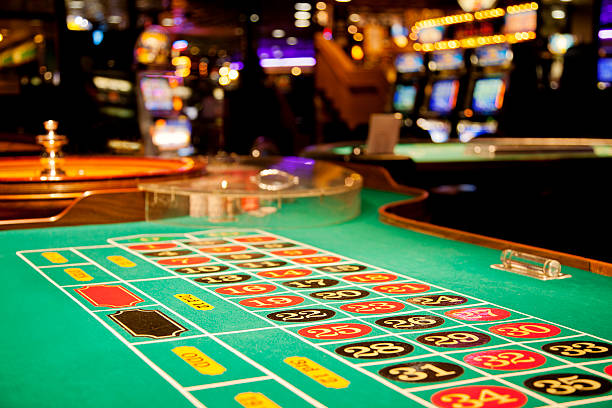
Furthermore, the layout of a casino is intentionally crafted to maximize exposure to games and machines. Players are often guided through a maze of options, making it difficult to navigate back to the exit. This design draws individuals deeper into the casino’s clutches, amplifying the likelihood of increased playtime and expenditure.
The Role of Reward Systems in Gaming
One of the fundamental aspects of player behavior in casinos relates to reward systems. Gamblers are often motivated by the concept of near-misses, which activate the brain’s reward pathways, similar to the effects of addiction. The psychological phenomenon of “the thrill of the chase” keeps players engaged, as they experience a false sense of winning that drives them to continue playing in hopes of a big payout. Unknown factors also affect these systems, contributing to a complex interplay of motives among gamblers.
Moreover, casinos deploy loyalty programs and bonuses that create a sense of belonging and reward. Players are more likely to return when they perceive they are part of an exclusive club. This connection fosters attachment to the casino and influences their gambling behavior, often leading to increased spending as players strive to attain higher status within these programs.
The Impact of Social Interaction
Social dynamics play a significant role in gambling behavior. Casinos often serve as social hubs where players can engage with friends or meet new people, which enhances the overall experience. This interaction can lead to a shared emotional state, where excitement and anticipation are heightened among groups, driving individuals to gamble more than they might alone.
The presence of other players can also introduce competition, prompting individuals to take greater risks to outperform their peers. Additionally, social validation can reinforce gambling behavior, as players are encouraged by their companions, creating a group mentality that further perpetuates their activity within the casino environment.
Cognitive Biases and Decision Making
Players often fall victim to various cognitive biases that affect their decisions while gambling. The illusion of control is a common bias where individuals believe they can influence the outcome of games, particularly in games of chance like slot machines or roulette. This misconception can lead players to take unnecessary risks, believing their actions will yield favorable results.
Another prevalent cognitive distortion is the gambler’s fallacy, where players assume past outcomes affect future results. For example, after a series of losses, they might believe that a win is “due.” This flawed logic can perpetuate playing behavior, as players chase losses in an attempt to break the perceived cycle. Understanding these biases is crucial for both players and casino operators in managing gambling behaviors.
Today Tonight Adelaide: Your Local Casino Insights
For those interested in the ever-evolving landscape of casino culture, Today Tonight Adelaide offers valuable insights into local gaming experiences and player behavior. This resource keeps residents informed about the latest trends in gambling, including psychological aspects and community events related to casinos.
By exploring the nuances of player behavior, Today Tonight Adelaide not only educates its audience but also fosters a greater understanding of the dynamics at play in the gaming environment. Whether you are a seasoned gambler or simply curious about the psychology behind it, this platform provides rich content to keep you engaged and informed.